
Charles Manson's Control System
Once Upon a Time in HollywoodThis thread examines how Charles Manson builds authority through belonging, fear, isolation, and the promise that his followers are pursuing a higher purpose.
increasing Bearing strength in each event
 decreasing
Bearing strength in each eventdecreasingA Purposeful Family
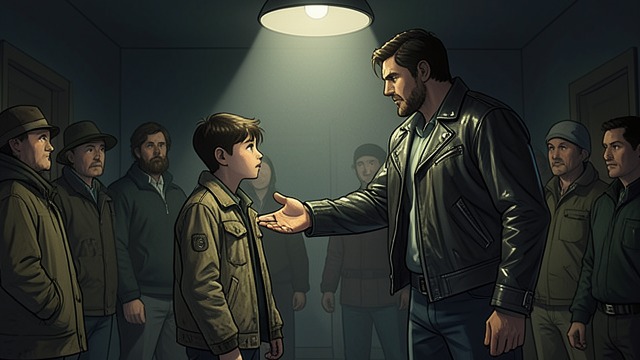
A Purposeful Family
Belonging as an offer
Charles Manson gives estranged young people a new group identity and describes their life together as a path toward enlightenment. Followers interpret his authority as spiritual guidance.
Personal ambition concealed
Manson's desire for fame and a recording contract complicates the mission he presents. His followers do not initially understand how much his personal ambitions shape the group's priorities.
A Controlled Environment
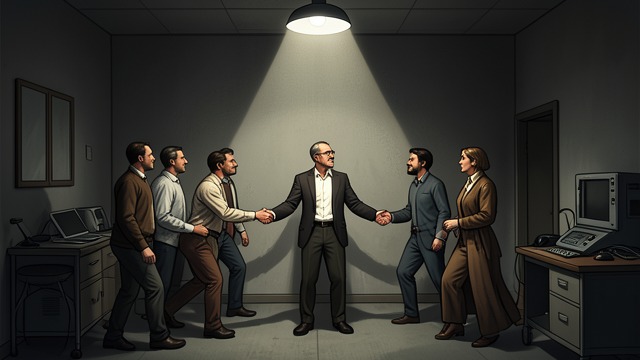
A Controlled Environment
Isolation from outside influence
Manson restricts television and other reminders of consumer life. He understands that familiar pleasures could challenge the austere worldview he teaches.
Dependence reinforced
Control of daily routines makes the group more reliant on its internal authority. The restrictions are not incidental rules; they help Manson shape what his followers imagine to be possible beyond the ranch.
A Missed Audition Revealed
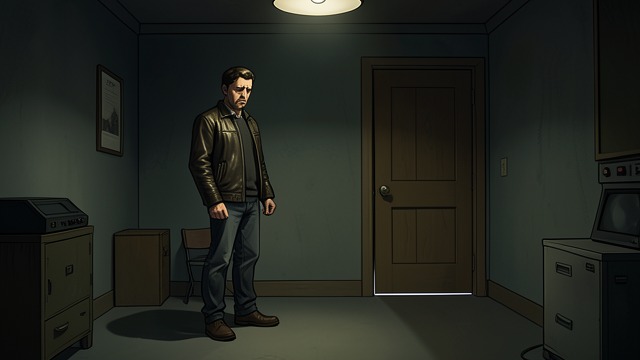
A Missed Audition Revealed
Authority under strain
Manson prepares intensely for Terry Melcher's expected visit, although his followers believe fame should not matter to their spiritual project. His anxiety exposes the personal stakes he has tried to conceal.
Weakness seen by the group
When Melcher does not arrive, Manson is left looking disappointed and powerless. For the first time, some followers consider that he might be an ordinary aspirant rather than the figure he claims to be.
Fear as Initiation
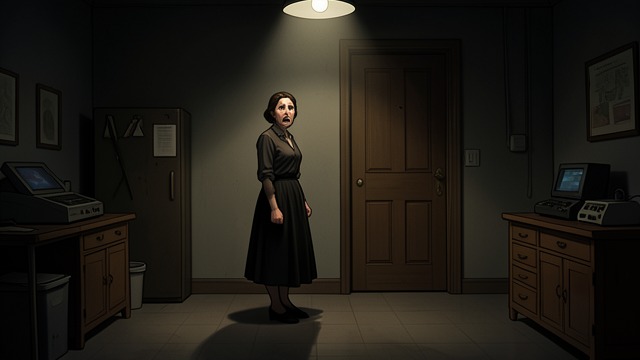
Fear as Initiation
A private ordeal
Manson sends Pussycat into a stranger's home alone, describing the trespass as a way to face fear and become stronger. His language makes an imposed risk sound like an individual achievement.
Obedience dressed as courage
He directs her thoughts even after she enters the property. The episode shows how his control can persist without his physical presence, because she has learned to treat his instructions as the voice within her own mind.
Hierarchy in the Household
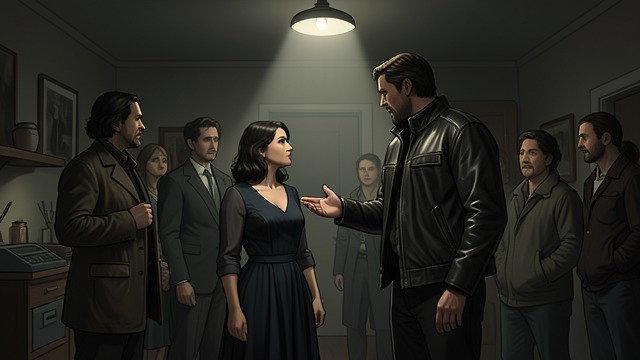
Hierarchy in the Household
Unequal positions
Women in the Family hold little authority, and their needs are subordinated even to those of the dogs. Squeaky is an exception because she manages George Spahn's care and the household.
Authority delegated, not surrendered
Squeaky's position depends on a bargain that serves Manson's settlement at the ranch. Her influence is real but limited: it grows from her assigned usefulness rather than from equality within the group.
After Charles Manson gathers runaway followers in California
During The Family's settlement at Spahn Ranch
Before February 8, 1969, when Terry Melcher fails to arrive
February 7, 1969, during Pussycat's break-in
February 8, 1969, during Cliff's visit to Spahn Ranch
